95-Year-Old Billionaire Investor Says He Reversed Sudden Memory Loss In 2 Weeks With a “Blue Morning Ritual” A Pharma Insider Tried To Bury — Real Or Fake?
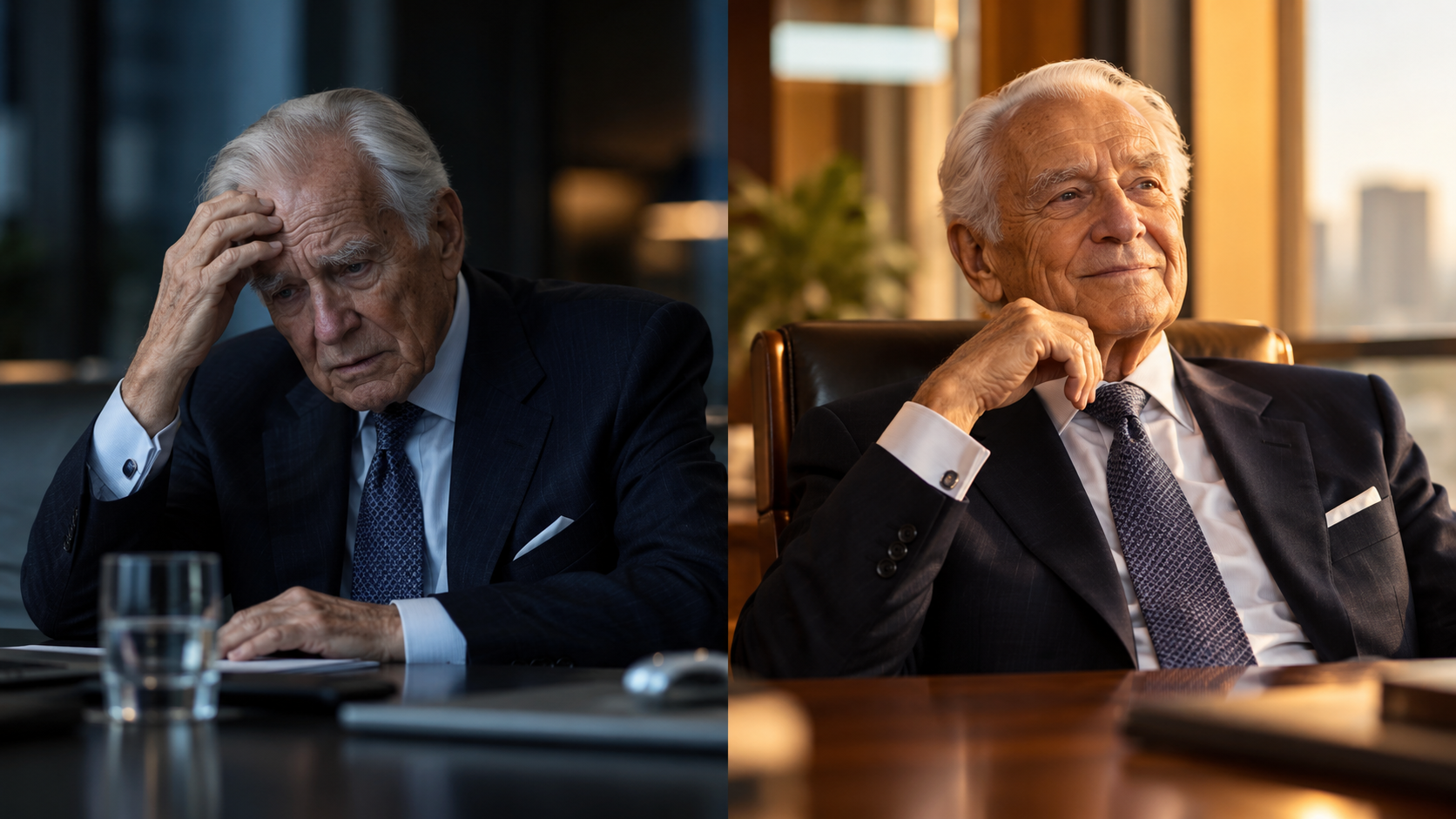
One of the world’s most famous investors — 95 years old and still closing deals worth hundreds of millions of dollars — recently told people close to him that he reversed sudden, frightening memory loss in under two weeks.
No prescriptions. No hospital visits. Just a simple ritual made from two ingredients most people already have sitting in their kitchen right now.
The story traces back to one woman: a scientist who says she spent more than two decades as a chief medical officer inside one of the largest pharmaceutical companies in the world — and says she was quietly pushed out of her research position after refusing to bury what she’d found.
It sounds too strange to be true.
So we decided to track her down ourselves. What she told our correspondent, Claire Bennett, raises serious questions about what’s really driving the explosion in memory loss over the last two decades — and why the leading treatments on pharmacy shelves were never designed to reverse it.
We met her at a small office outside the city. She asked that we not publish her face for now — she says she’s still facing pressure from former colleagues — but she agreed to speak on the record about what she found, and how it changed one very famous client’s life.
Claire:
“You spent over twenty years inside the pharmaceutical industry. What finally made you decide to go public?”

The Scientist:
“For most of my career, I believed we were genuinely trying to fix the problem. But the deeper I got into the research, the clearer it became — the drugs on the market aren’t designed to reverse memory loss. They’re designed to manage it, for as long as possible, at the highest possible cost.
When my team found something that actually appeared to help the brain repair itself — something simple, natural, and nearly impossible to patent — I was told to shelve it. I refused. Two months later, I was removed from every research program I’d built.”
Claire:
“That’s a serious accusation. What exactly did your research point to?”
The Scientist:
“Something environmental — tied to how saturated modern life has become with constant digital signal exposure. My own internal data suggested this kind of overload may interfere with the brain’s nightly repair process, in ways that look a lot like early memory decline. It’s not something I can prove to you in a quote on a page. But it’s the reason I started looking for something that could support that repair process — naturally, without a prescription.”

Claire:
“And the billionaire investor — how does he fit into this?”
The Scientist:
“He was one of the first people I quietly shared the ritual with, off the record, as a personal favor. His team told me that within two weeks, he was back to quoting figures from memory in meetings — the same way he had for seventy years. That’s when I knew this wasn’t a fluke.”
Claire:
“So what is this ritual, exactly?”
The Scientist:
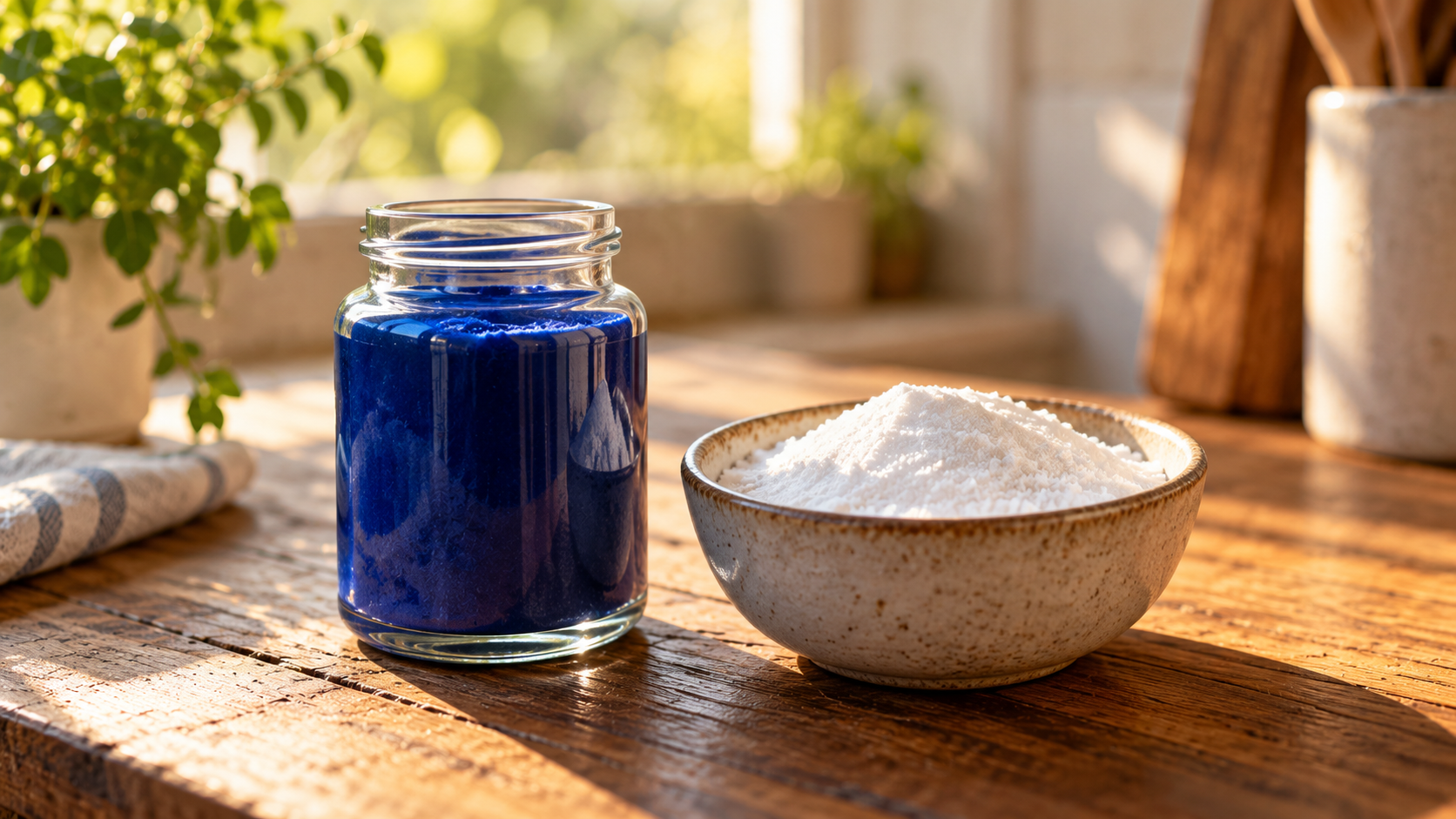
“Two ingredients — one typically blue in color, one white — and most people already have both in their kitchen. But the exact method, the amounts, and the timing matter more than people realize, and I don’t think it’s responsible to summarize that in a few sentences on a page. I recorded a short video that walks through exactly how it’s done.”
“Click below to watch the full interview, including the part most networks wouldn’t touch.”
Click Here To Watch The Full Interview →